|
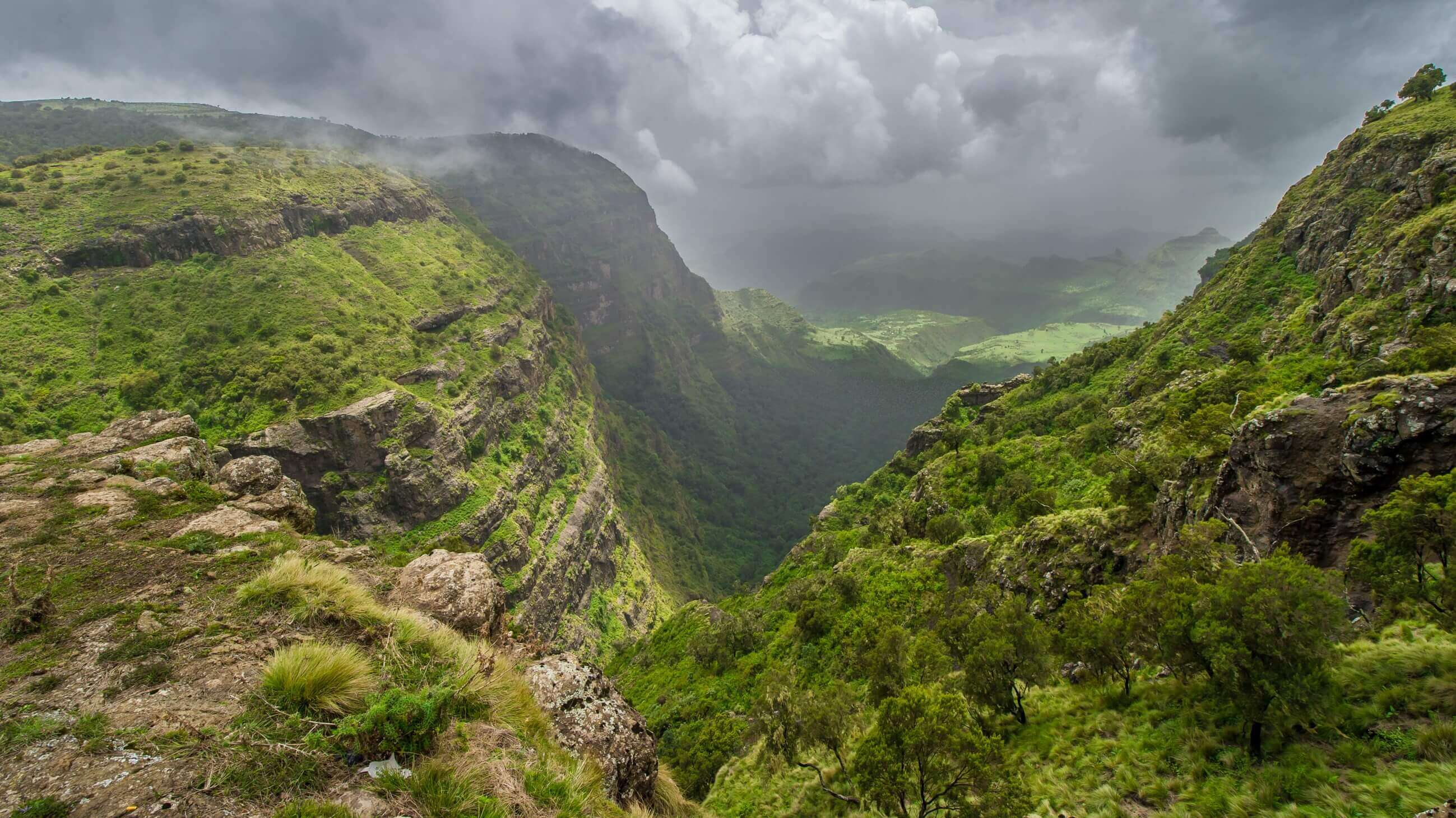
Ethiopia is truly a land of contrasts and extremes; a
land of remote and wild places. Some of the highest and
most stunning places on the African continent are found
here, such as the jaggedly carved Simien Mountains, one
of UNESCO's World Heritage sites - and some of the
lowest, such as the hot but fascinating Danakil
Depression, with its sulphur fumaroles and lunar-like
landscape. Ethiopia is old; old beyond all imaginations.
As Abyssinia, its culture and traditions date back over
3,000 years. And far earlier than that lived "Lucy" or
Dinkenesh, meaning 'thou art wonderful', as she is known
to the Ethiopians, whose remains were found in a corner
of this country of mystery and contrasts.
Many people visit Ethiopia - or hope to do so one day -
because of the remarkable manner in which ancient
historical traditions have been preserved. And, indeed,
the ceremonies and rituals of the Ethiopian Orthodox
Church, open a window on the authentic world of the Old
Testament. In no other country is it possible to find
yourself so dramatically transported back in time or to
participate with such freedom in the sacred rituals of
an archaic faith.
 |
Thousands of years history
& diverse culture
Ethiopia's rich historical heritage is unique in
sub-Saharan Africa. The country looks back on a
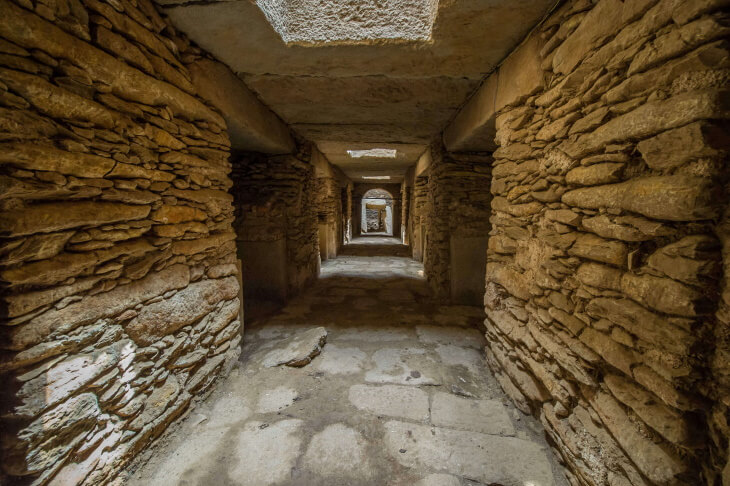
history of more than 3,000 years when the city of
Axum became the centre of an empire stretching from
the Nile River across the Red Sea to the Yemen. Even
today, ruins of palaces and monuments, old
inscriptions and underground catacombs demonstrate
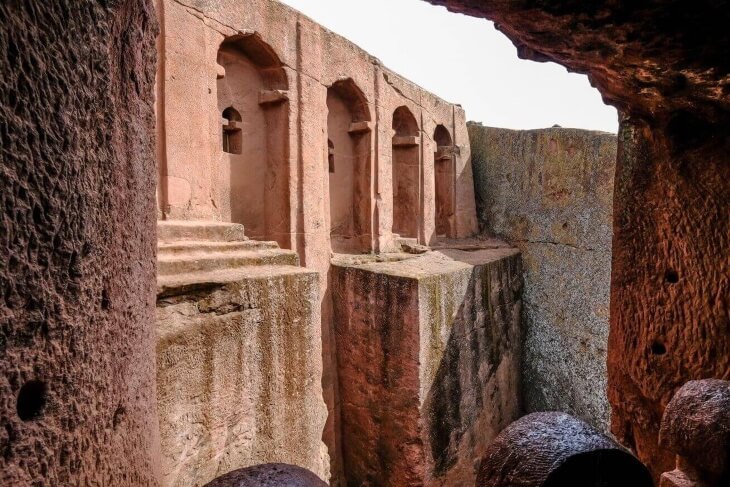
the city’s ancient magnitude. While the medieval
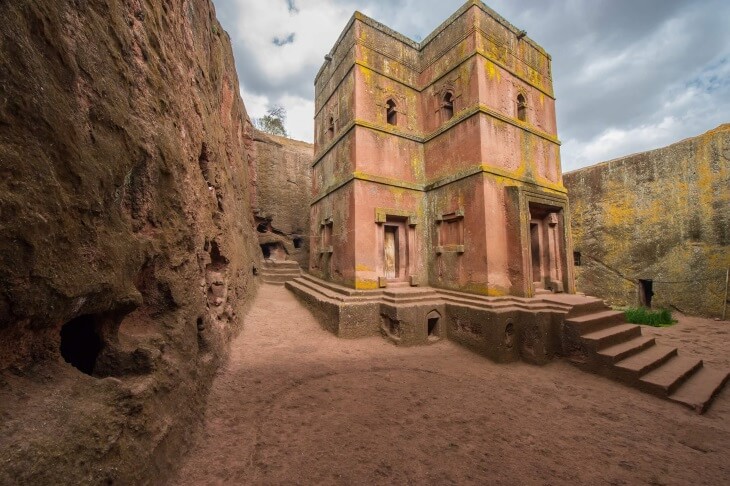
capital of Lalibela (12th century) is home to a
cluster of incredible monolithic rock-hewn churches
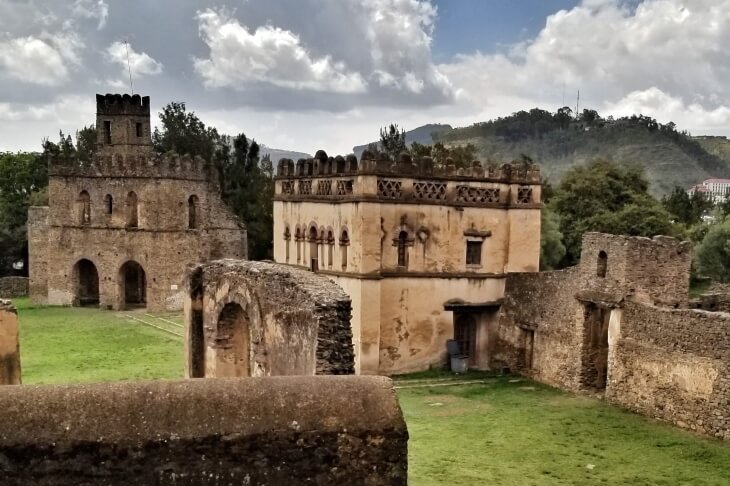
built in the 12th and 13th century, the imperial
city of Gondar is best known for its 17th century
castles built by Emperor Fasiladas and his
successors and the beautifully decorated church of
Debre Birhan Selassie. |
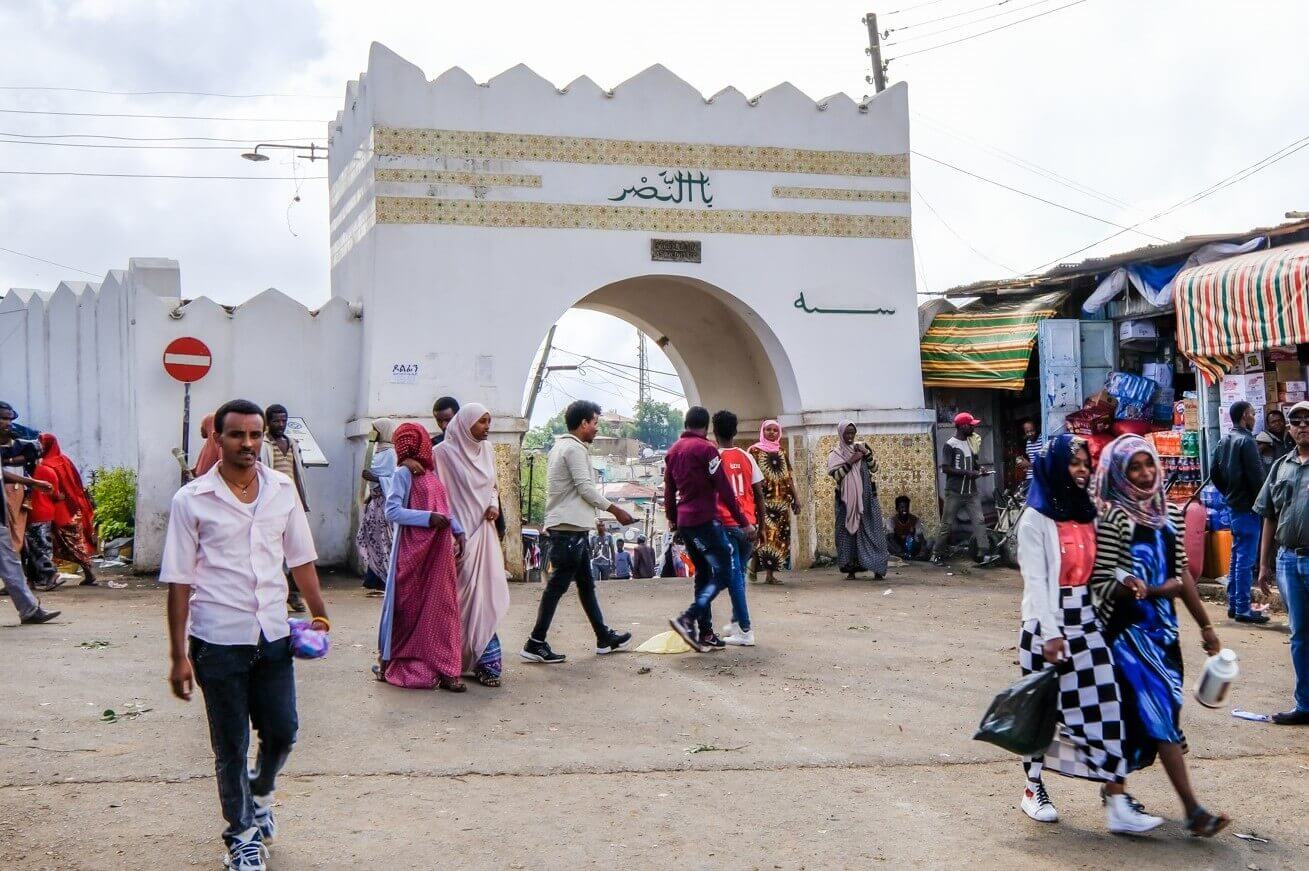
In the east of the country lies the old walled city of
Harar with its numerous mosques and shrines, considered
a holy city among Muslims. Or would you like to discover
the ancient and secluded island monasteries of Lake Tana,
the largest lake in Ethiopia and the source of the Blue
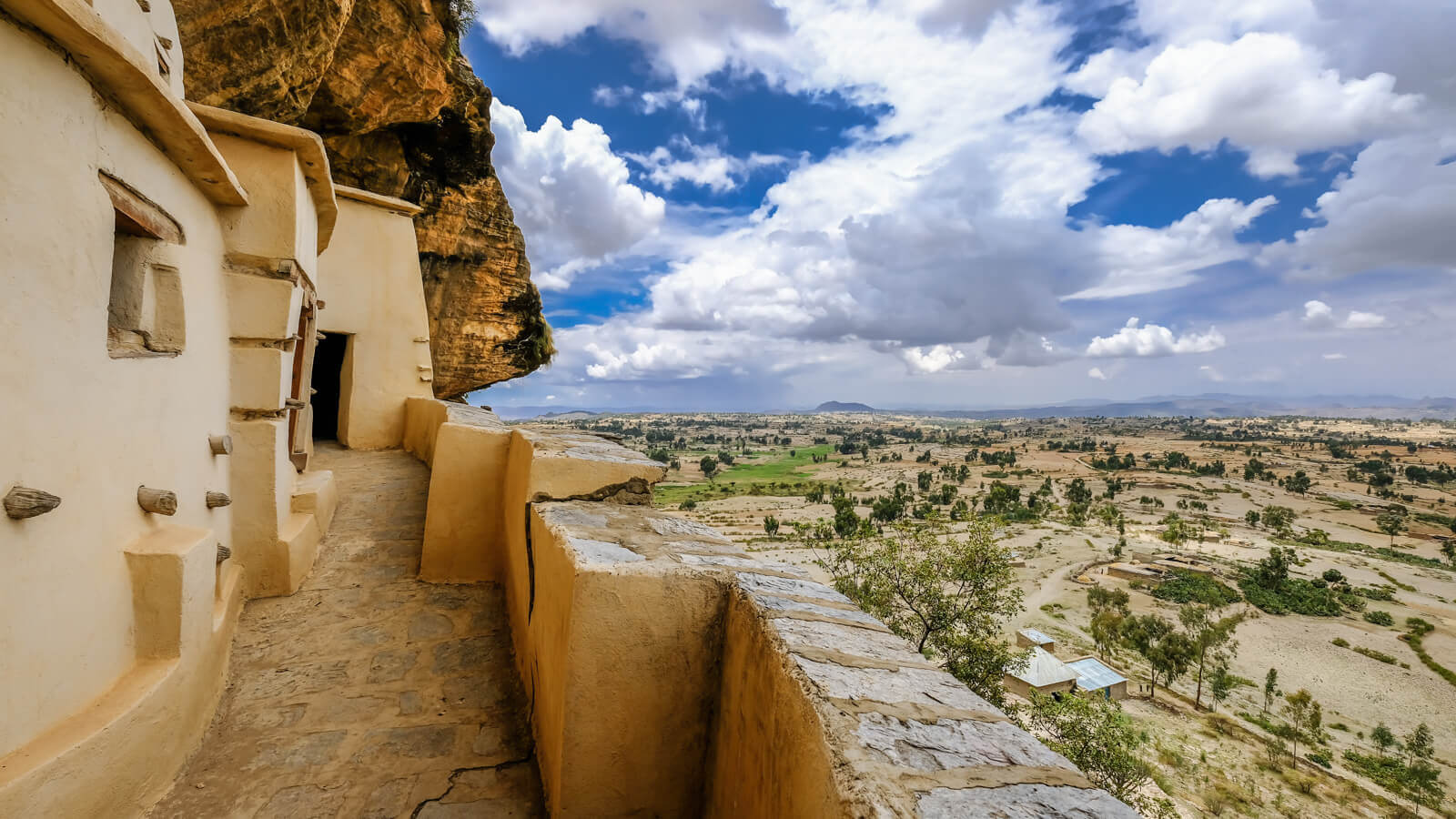
Nile? Or be one of the few visitors to Ethiopia’s remote
rock-hewn churches, testimonies to the country’s
centuries-old Christian legacy?
A dreamland for nature lovers
Apart from its historical sites, Ethiopia offers
exceptional natural features and a rich bio-diversity.
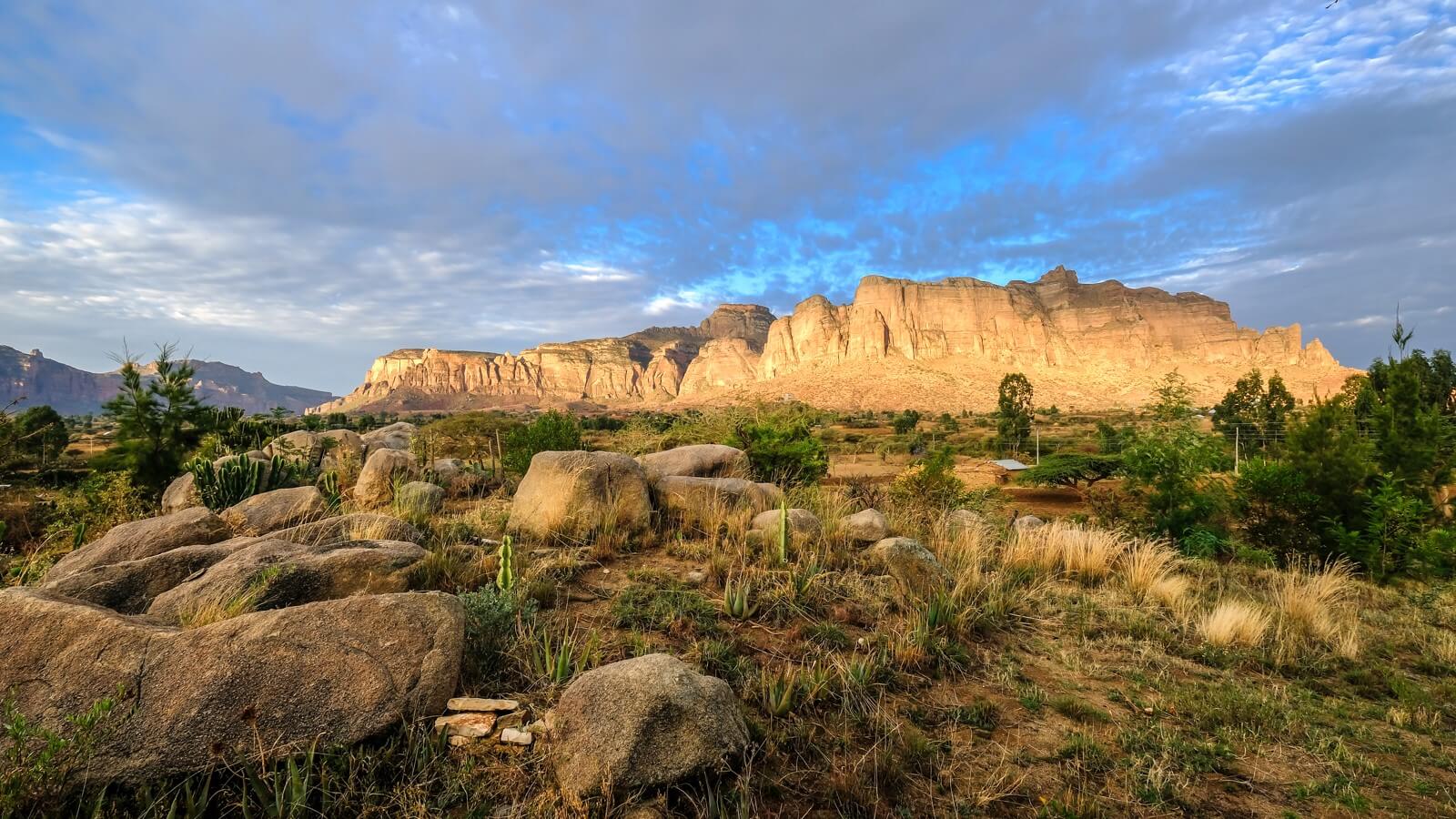
The country’s scenery varies from high mountain ranges
with alpine flora and fauna, like the Simien and Bale
Mountains, to deep gorges, wide valleys, volcanic lakes,
savannahs, and semitropical forests, to the lowlands of
the Omo Valley and the Danakil Depression (Dallol), one
of the earth’s hottest places. Connected with Ethiopia’s
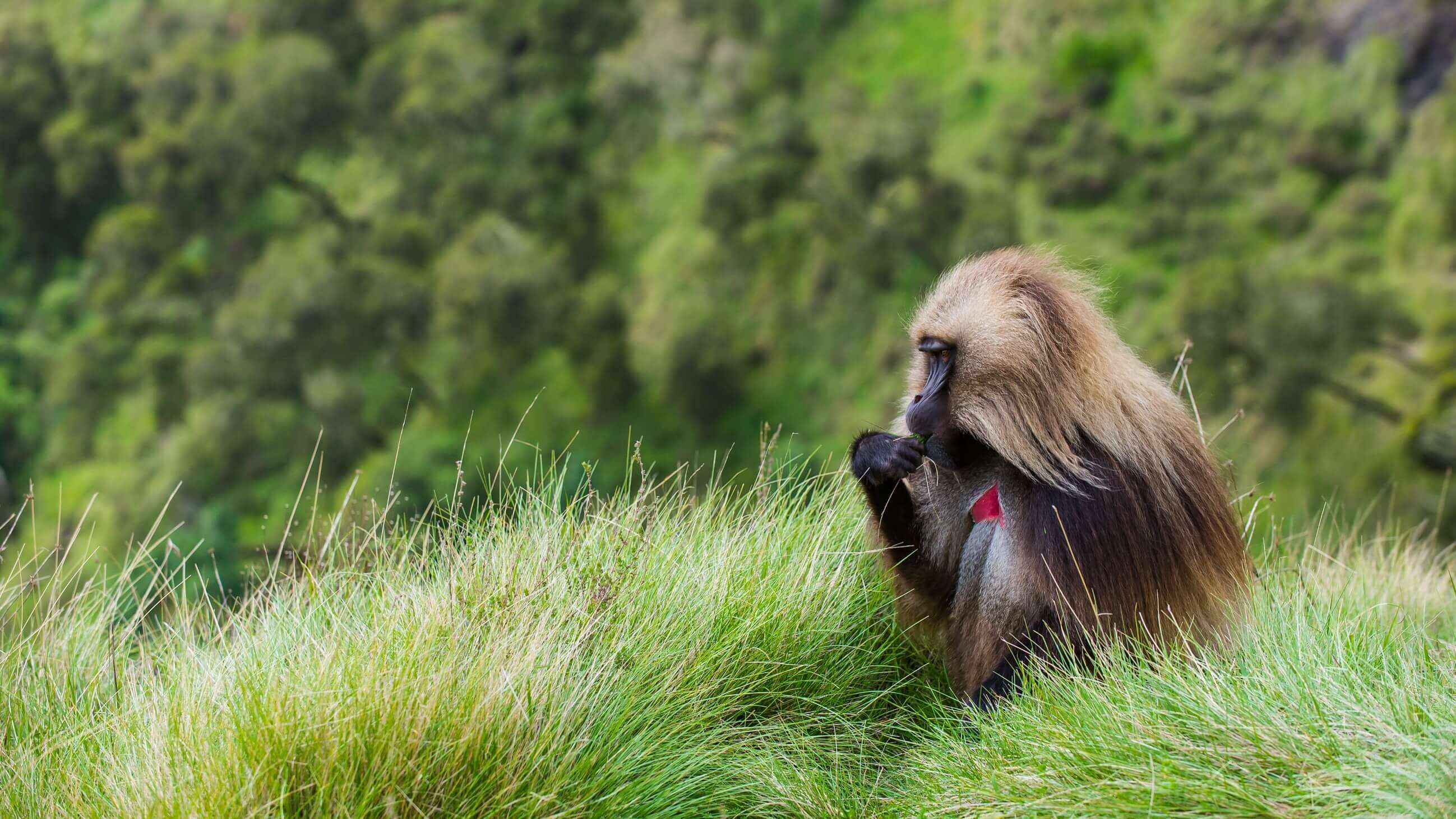
extraordinary geography are its diverse ecosystems,
placing the country among the foremost in the world for
its numerous endemic mammals, birds and plants. While
the Rift Valley Lakes are famous for bird-watching, the
Awash and Nechisar National Parks are fine places for
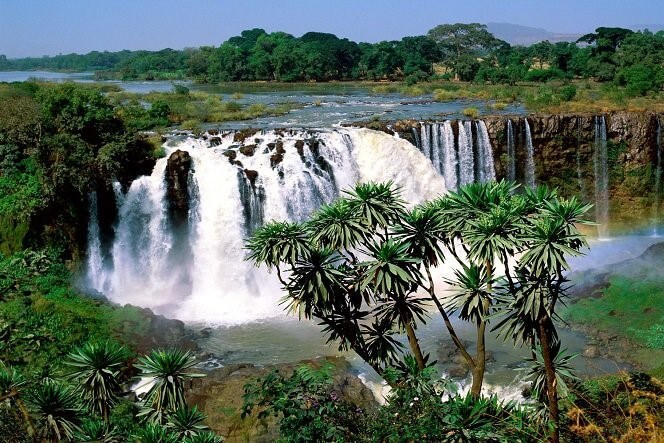
game drives. Not far from its origin in Lake Tana, on
the outskirts of the city of Bahirdar, the Blue Nile
River turns into the spectacular Blue Nile Falls. A
paradise for birds and definIETly a must for every
ornithologist! Indulge in trekking or horse-back riding
in the national parks, marvel at the fascinating endemic
animals and revel in the breathtaking scenery!
A land with unique ethnic
medley
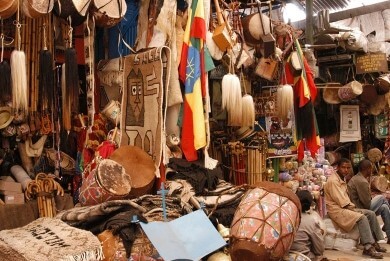
Ethiopia is also a country of great cultural diversity,
with a population made up of more than 80 different
ethnicities and as many languages and customs. The
country’s virtual isolation over centuries and its
unique political independence (Ethiopia was never
colonized) have substantially shaped people’s traditions
and ways of life, some of which seem remarkably
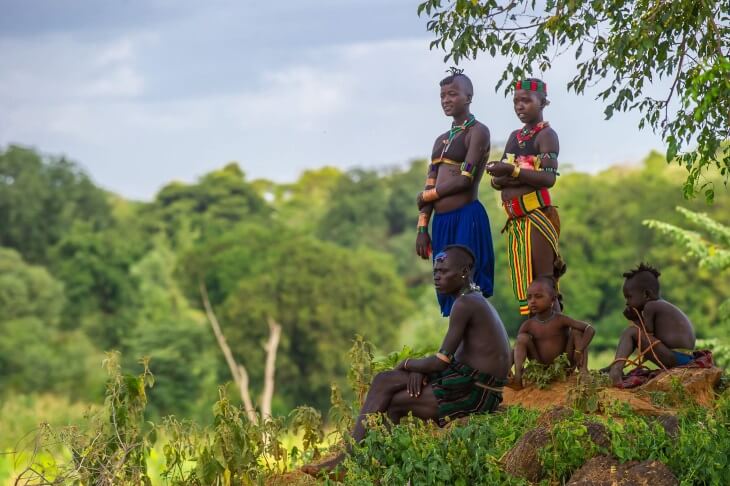
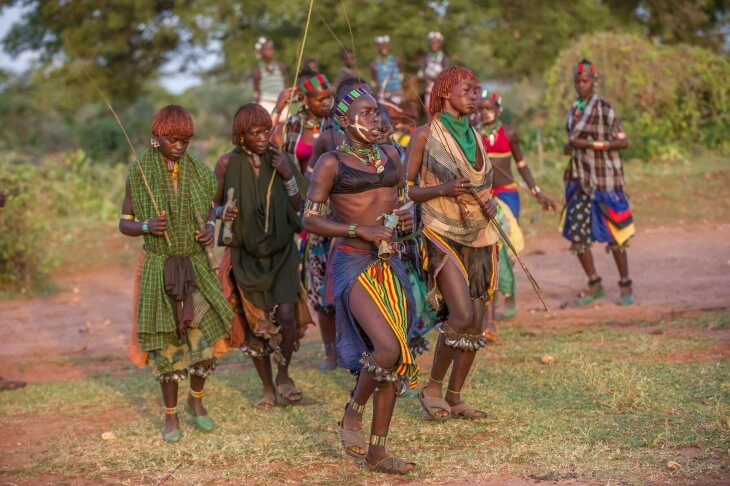
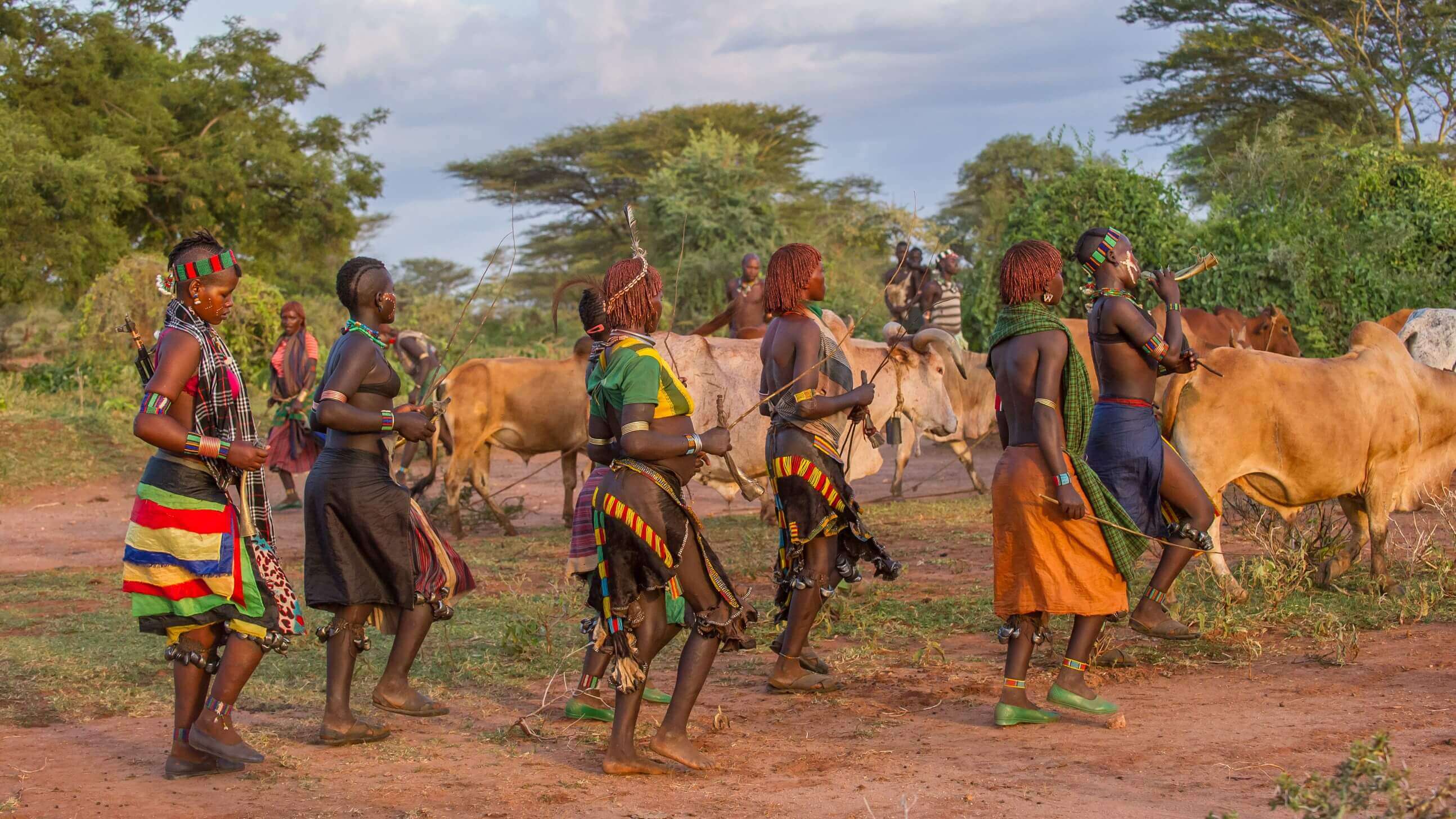
untouched by outside influences. The southwest in
particular is inhabIETd by a variety of distinctive
ethnic groups, who have largely maintained their
traditional cultures and are surely among the most
fascinating tribal groups on the African continent. Meet
the Konso (known for their terracing systems), the Hamer
(famous for their elaborate body decoration), or the
Mursi (renowned for the lip plates worn by their women),
just to name a few! Or get acquainted with the Oromos,
Amharas and Tigreans in the central and northern
highlands! The Ethiopia of today is a multi-cultural,
multi-ethnic, multi-lingual, multi-religious mosaic,
waiting for you to discover its magnificent diversity!
Some of Ethiopia's major religious festivals…
Timket (Epiphany, the
impressive Christian ceremony)
Timket, feast of Epiphany is the greatest festival of
the year falling on the 19th of January, two weeks after
the Ethiopian Christmas. It is a three-day affair
beginning on the eve of Timket with dramatic and
colourful processions. The following morning the great
day itself, Christ's baptism in the Jordan River by John
the Baptist is commemorated. The sun blazes down from a
clear blue sky and the festival always takes place in
glorious weather.
Lidet (Ethiopian Christmas)
Christmas, called Lidet, is not the primary religious
and secular festival that it has become in Western
countries. Falling on 7 January, it is celebrated
seriously by a church service that goes on throughout
the night, with people moving from one church to
another. Tradi-- tionally, young men played a game
similar to hockey, called genna, on this day, and now
Christmas has also come to be known by that name.
Meskel (the founding of the
true cross)
Meskal has been celebrated in the country for over 1600
years. The word actually means "cross" and the feast
commemorates the discovery of the cross upon which Jesus
was crucified, by the Empress Helena, the mother of
Constantine the Great. The original event took place on
19 March 326 AD. but the feast is now celebrated on 27
September.
Many of the rIETs observed throughout the festival are
said to be directly connected to the legend of Empress
Helena. On the eve of Meskal, tall branches are tied
together and yellow daisies, popularly called Meskal
Flowers, are placed at the top. During the night those
branches are gathered together in front of the compound
gates and ignIETd - This symbolizes the actions of the
Empress who, when no one would show he Holy Sepulcher,
lit incense and prayed for help. Where the smoke
drifted, she dug and found three roses. To one of the
three, on the True Cross of Jesus, many miracles were
attributed.
Meskal also signifies the physical presence of part of
the True Cross at the church of Egziabher Ab, the remote
mountain monastery of Gishen Mariam located 483 kms
north of Addis Ababa. In this monastery, there is a
massive volume called the Tefut written during the reign
of Zera Yacob (1434 - 1468), which records the story of
how a fragment of the cross was acquired.
At this time of the year flowers gloom on mountain and
plain and the meadows are yellow with the brilliant
Meskal daisy. Dancing, feasting, merrymaking, bonfires
and even gun salutes mark the occasion. The festival
begins by planting a green tree on Meskal eve in town
squares and village market places. Everyone brings a
pole topped with Meskal daisies to form the towering
pyramid that will be a beacon of flame. Torches of tree
branches tied up together called "Chibo" are used to
light the bundle called "Demera".
|