|
Land:- Ethiopia is
located in Northeast Africa and covers an area of 1,235,000
square kilometers. Ethiopia shares its border with Somalia and
Djibouti to the east, Eritrea to the north, Kenya to the south
and Sudan to the west.
Climate:- There are
two main seasons in Ethiopia, but temperatures depend on the
altitude. The lowlands are generally hot and humid, with
cooler temperatures in the Ethiopian Highlands. In most of the
country, the main rainy season runs from June to the end of
September, with short rains in March. However in Southern
Ethiopia, particularly in the Omo area, the seasons are
different with the main rains from March to May and shorter
rains in October to November.
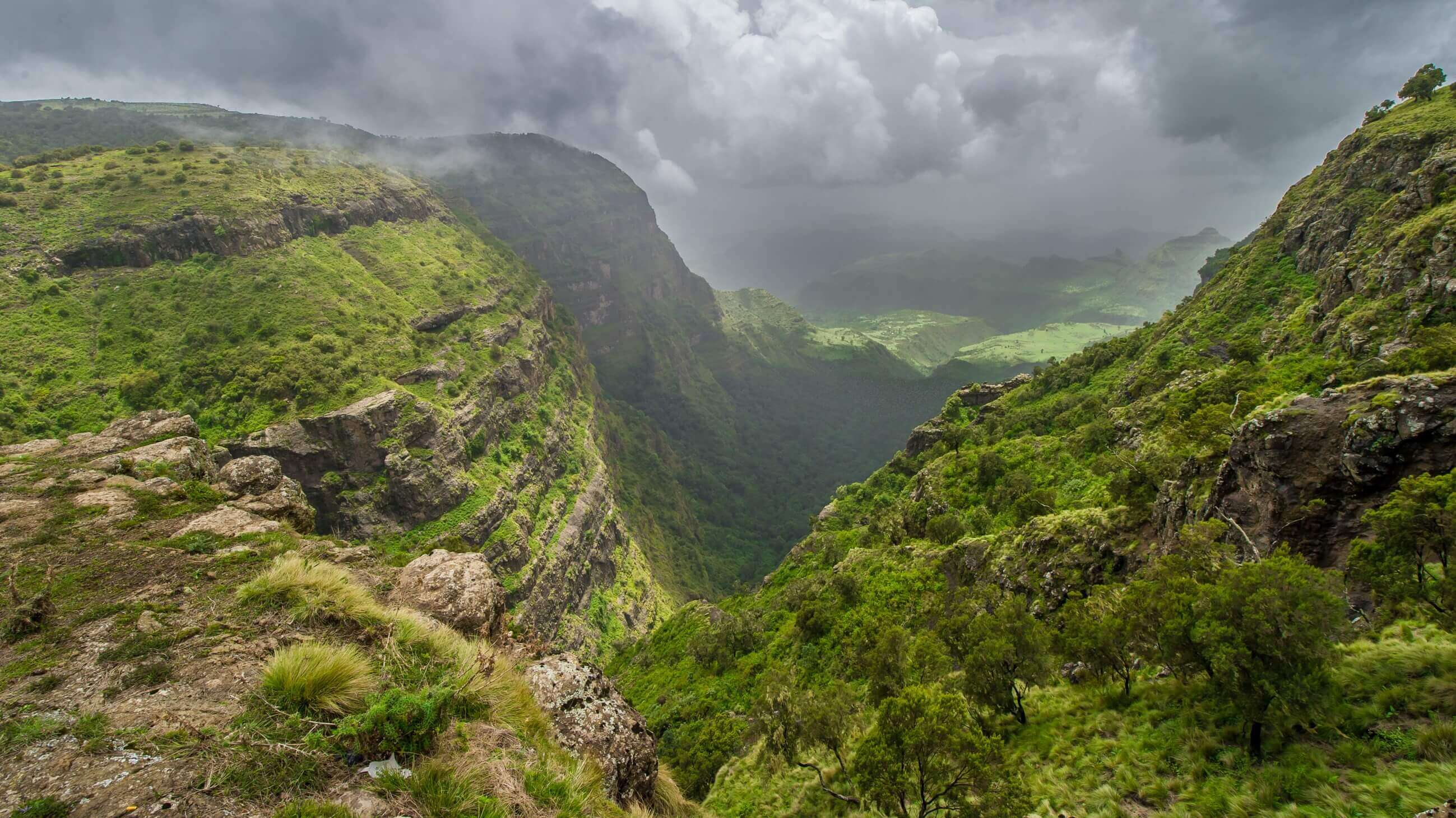
Topography:- The
altitude in the country ranges from 116m below sea level in
the Danakil Depression, one of the hottest places in the
world, to 4620 meters a.s.l at Mount Ras Dashen in the North.
Time: Ethiopia follows the Julian calendar, which consists of
12 months of 30 days each and a 13 th month of 5 or 6 days. It
is 7 years and 8 months behind the Gregorian calendar.
Ethiopia is in the GMT + 3 hours time zone.
People:- The
population is estimated at 75million, the third highest
population in Africa .
Language:- Ethiopia
is a multi-ethnic state with more than 80 languages. Amharic
with its unique script is the national official Language.
English is also widely spoken.
Currency:- The local
currency is the “Ethiopian Birr”, made up of 100 cents. Credit
cards, Visa, MasterCard, Access, American Express and Diners
Club are not widely accepted except in a few establishments in
the cities. Cash and travelers cheques are recommended.
Electric Supply:-
Ethiopia uses 220 Volts 50 cycles AC. Sockets are with 2
holes. A universal two – prong adapter is recommended.
Communications:-
Telephone, fax, internet and postal facilities are highly
available in most main towns. The IDD code for Ethiopia is
+251.
Accommodation:-
Ethiopia boasts quIET a wide variety of hotel ranging from
luxury five star hotels to mid-range hotels offering
accommodation ranging from luxury products to upscale,
mid-range and budget hotels.
Clothing:-
Ethiopians are modest dressers and visitors should be
sensitive about going undressed into places of worship. Shoes
must always be removed before entering Churches and Mosques.
Visa and immigration
requirement:- Visa applications may be obtained at
Ethiopia’s diplomatic missions overseas. However, nationals of
33 countries are now allowed to receive their tourist visas on
arrival in Ethiopia at the regular charge. The list includes
Argentina , Australia , Austria , Belgium , Brazil , Canada ,
China , Denmark , Finland , France , Germany , Greek, Ireland
, Israel , Italy , Japan , Republic of Korea , Kuwait ,
Luxembourg , Mexico , Netherlands , New Zealand , Norway ,
Poland , Portugal , Russian Federation , South Africa , Spain
, Sweden , Switzerland , Taiwan , UnIETd Kingdom and UnIETd
States.
Health Requirements: Prior to entry, visitors should be in
possession of a valid health certificate for yellow fever.
Vaccination against cholera is also required for any person
who has visIETd or transIETd a cholera-infected area within
six days prior to arrival in Ethiopia. However your passport
must be valid for at least 6 months.
When to come to Ethiopia
»
This can depend on where you are going. In most of the
country, the main rainy season runs from June to the end of
September, with short rains in March.
»
In the Omo and Mago parks however, in Southern Ethiopia,
the seasons are different with the main rains from March to
June, and shorter rains in November.
»
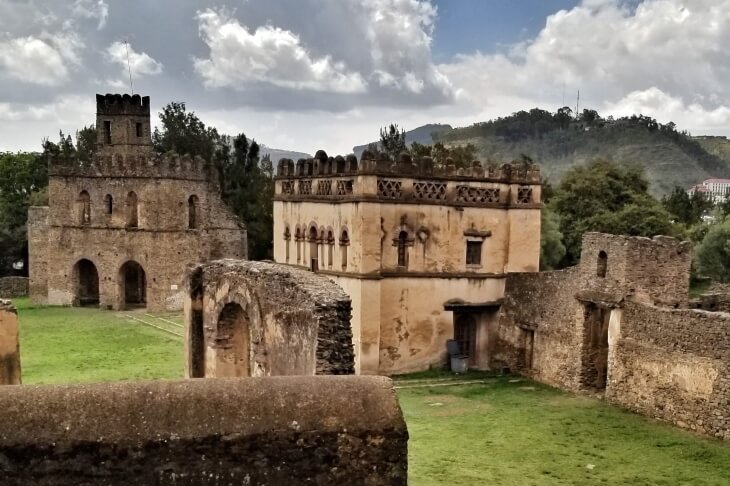
With the upgrading of the airports along the historic
route (Axum, Lalibela, Gondar and Bahir Dar), it is now
possible to visit the north even in the rainy Sean.
»
For travelers who do not mind waiting out a downpour
(usually followed by brilliant sunshine) there are certain
rewards-a green countryside full of crops and flowers and the
sites largely to your selves.
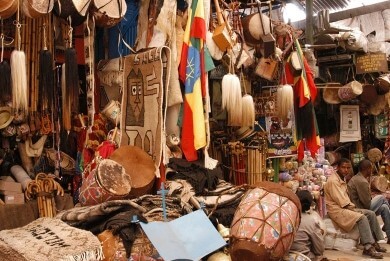
Photos and Tips:
We always recommend asking for permission to take photos. In
some place people ask payment for any photo taken and the
amount is to be negotiated. We suggest consulting the guide to
give donations or anything else to school and other
organizations.
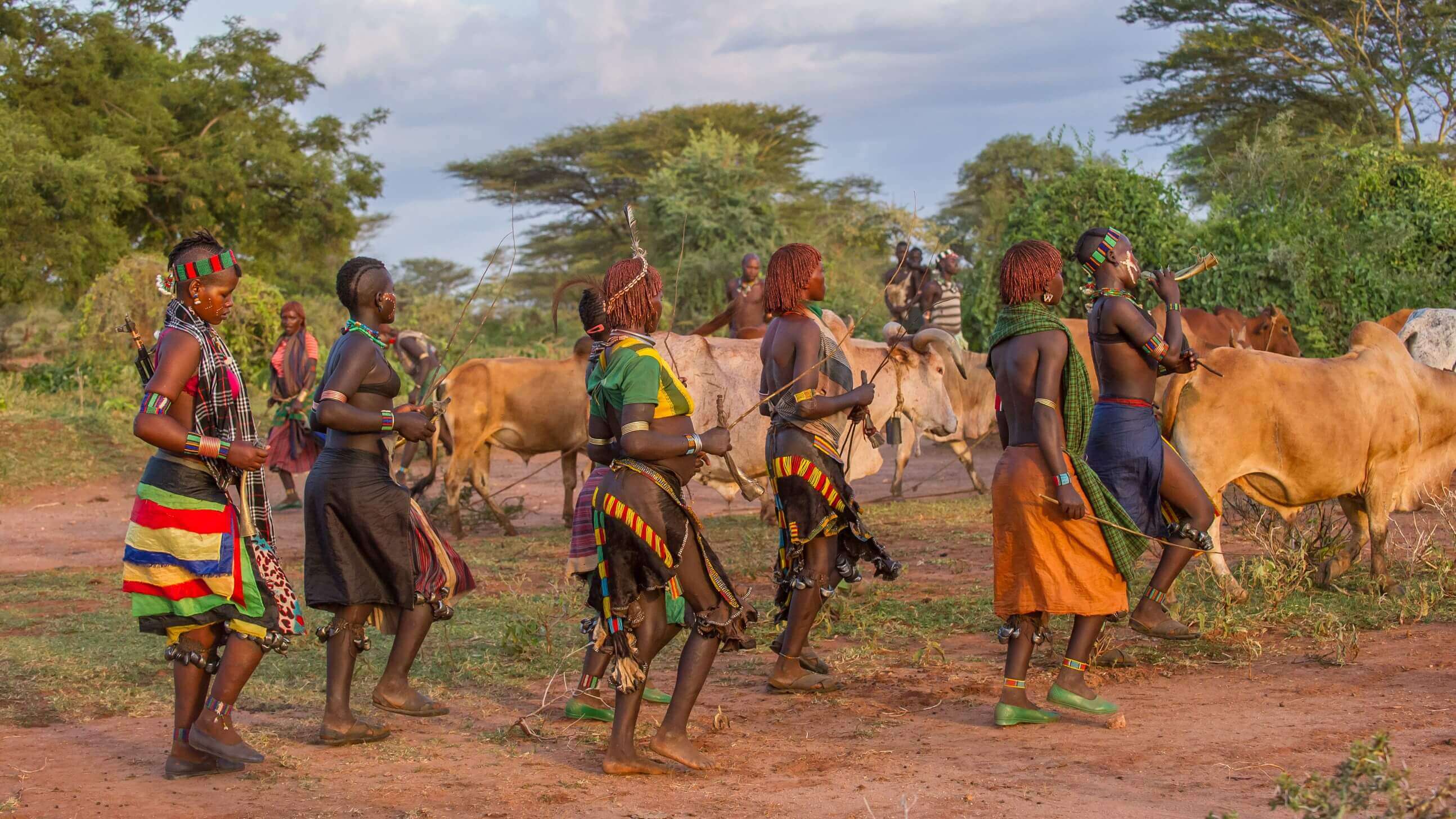
As a matter of courtesy, permission should be sought
before photographing individuals and in many parts of the
country, particularly among the Afar and among the ethnic
groups living by the Omo River, people will demand a fee.
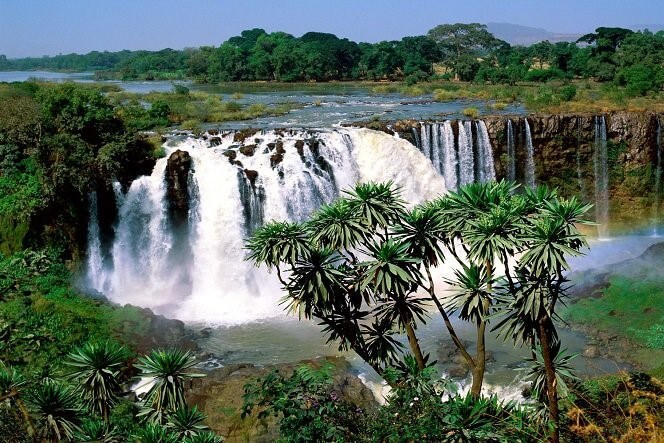
In some sites (Blue Nile falls for example) there is a
charge for video photography. You can usually take photos
celebrations in Copt churches, but we think you should
maintain anyway a distance of respect and sought a photography
request beforehand.
This is also valid for Muslim celebrations.
We are not keen to get tribe celebrations organized for
us, so the visitor will be able to see only the spontaneous
ones he might casualty meet.
|